Day 18 - Monday, April 22 - Up the Mountain
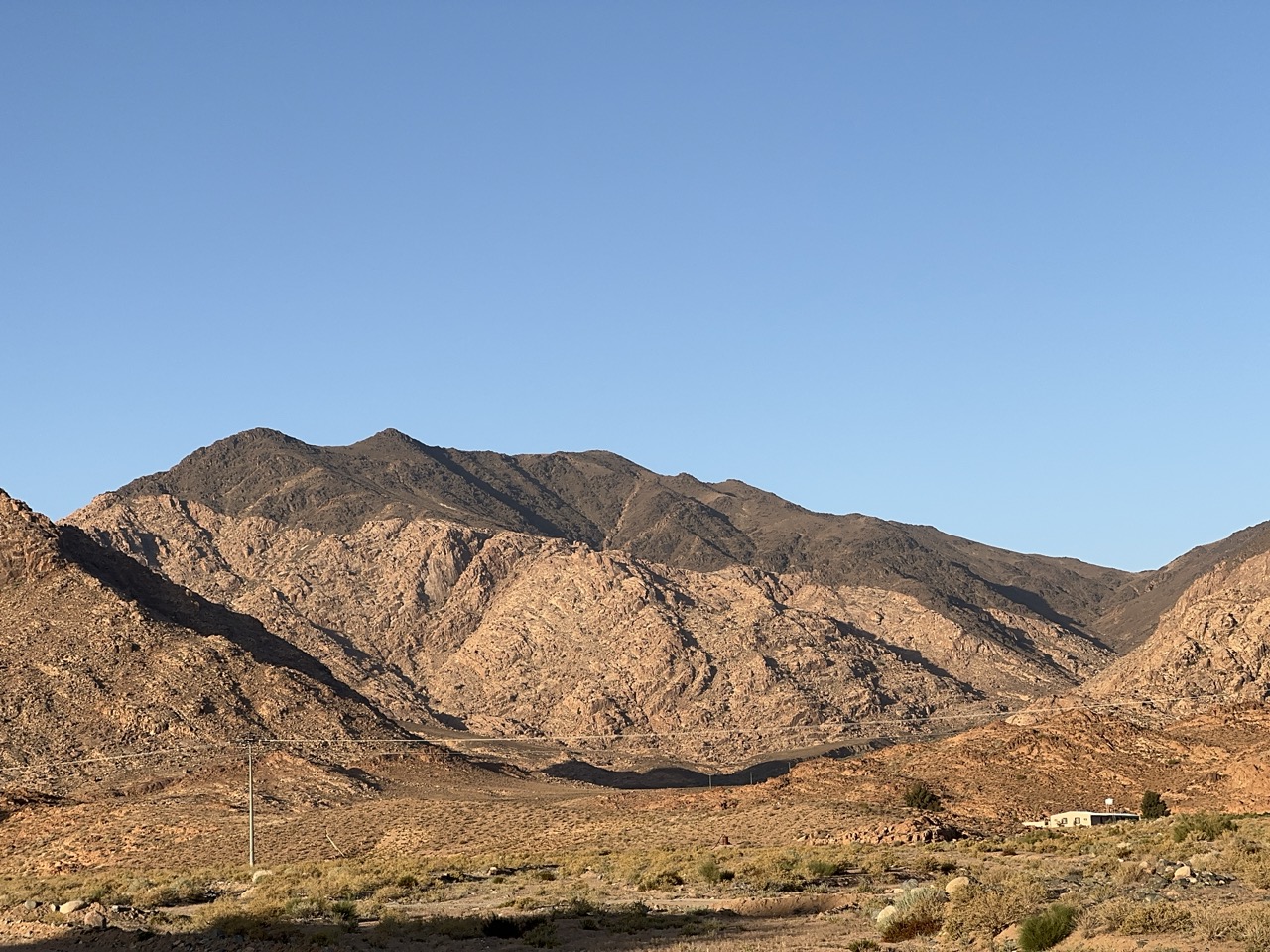
We were told in advance that you have to count on 6 hours to reach the top of the mountain from the foot, and then you also have to go back down. For believers, this can be a kind of pilgrimage, a "holy mission" to want to do this, just as those who climb the traditional mountain in the Sinai desert have strong religious feelings about it. It's not that for us. We are interested in what it looks like and to what extent this could be the real mountain where much of the Exodus account took place.
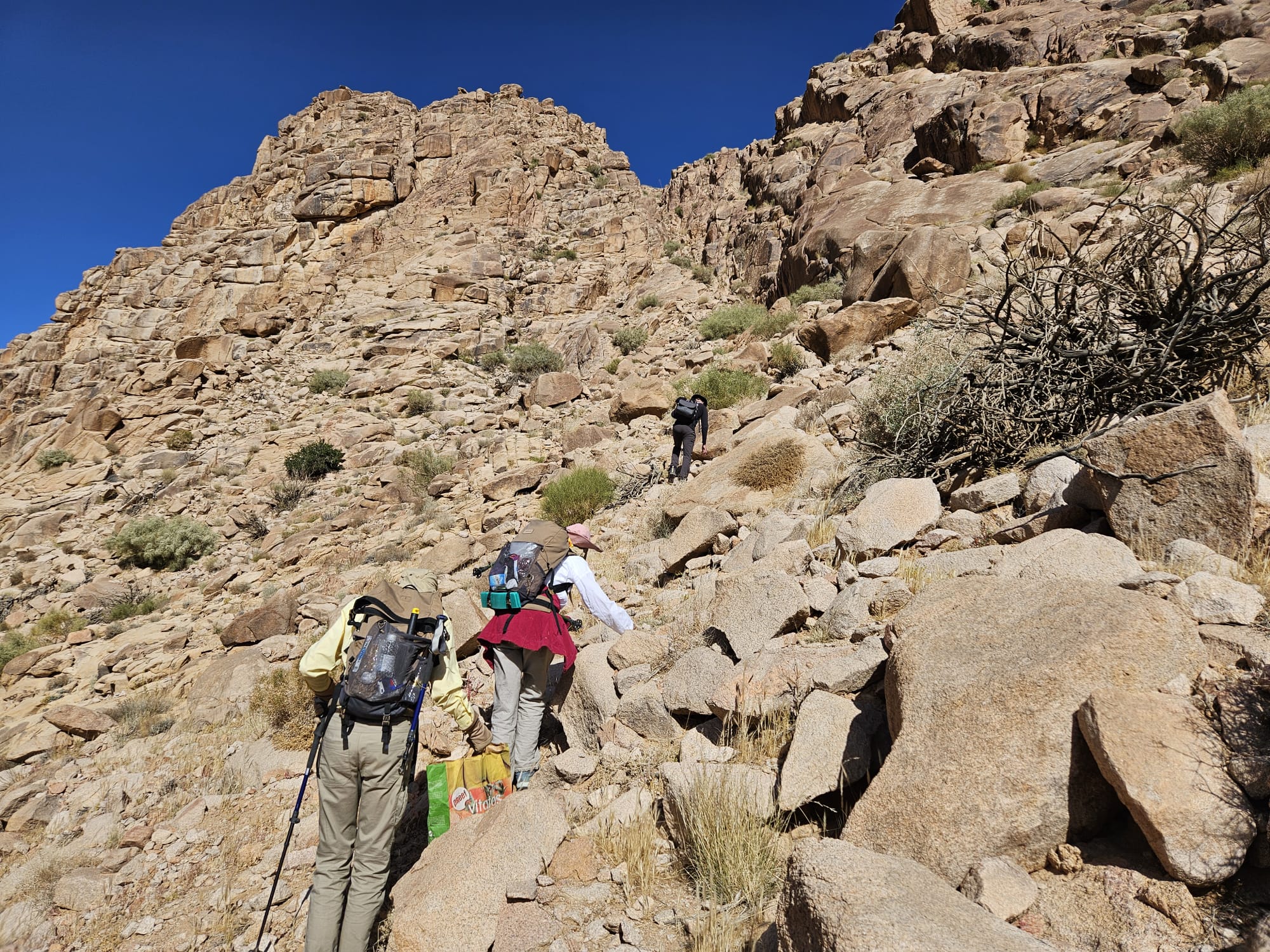
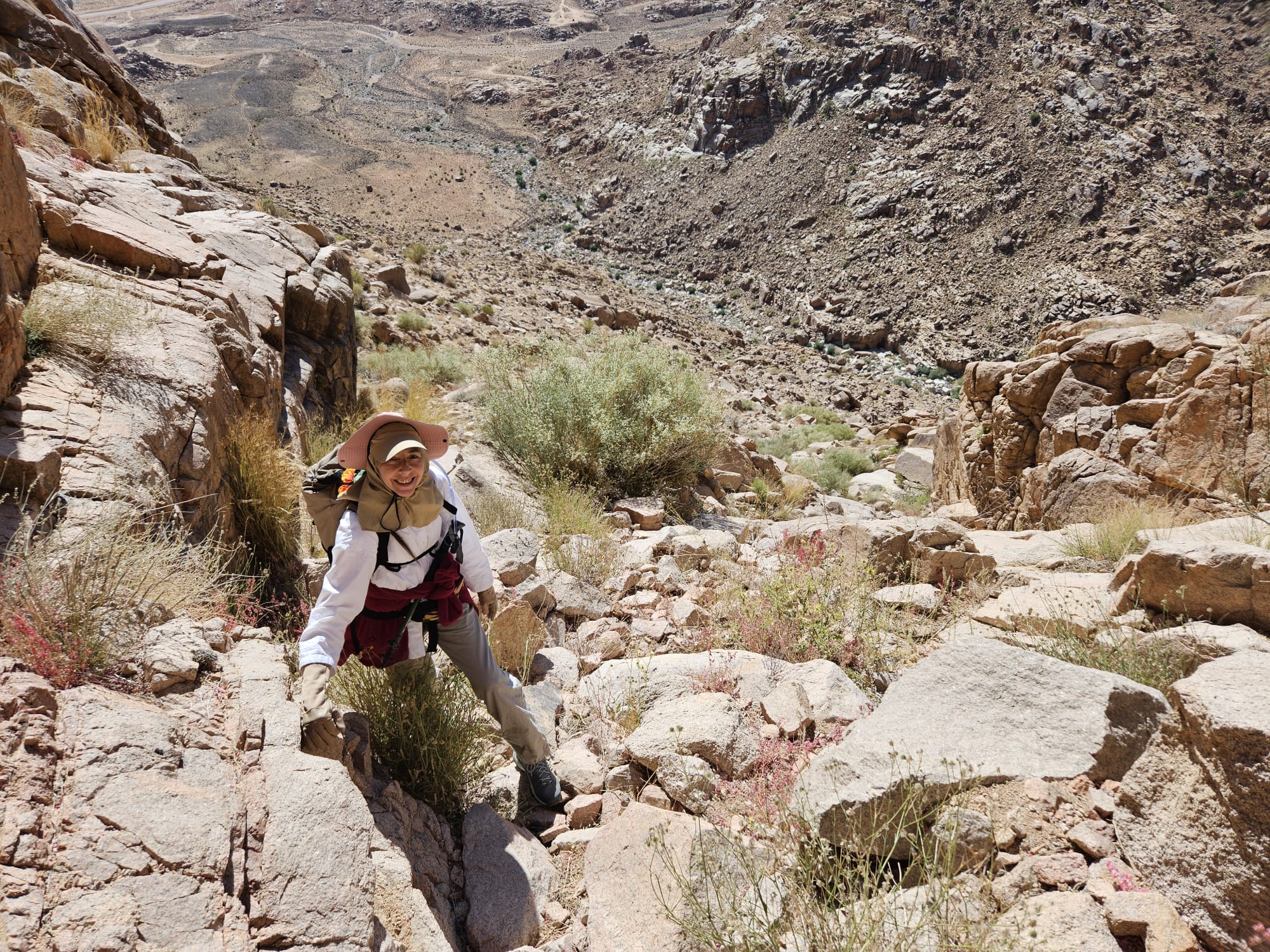
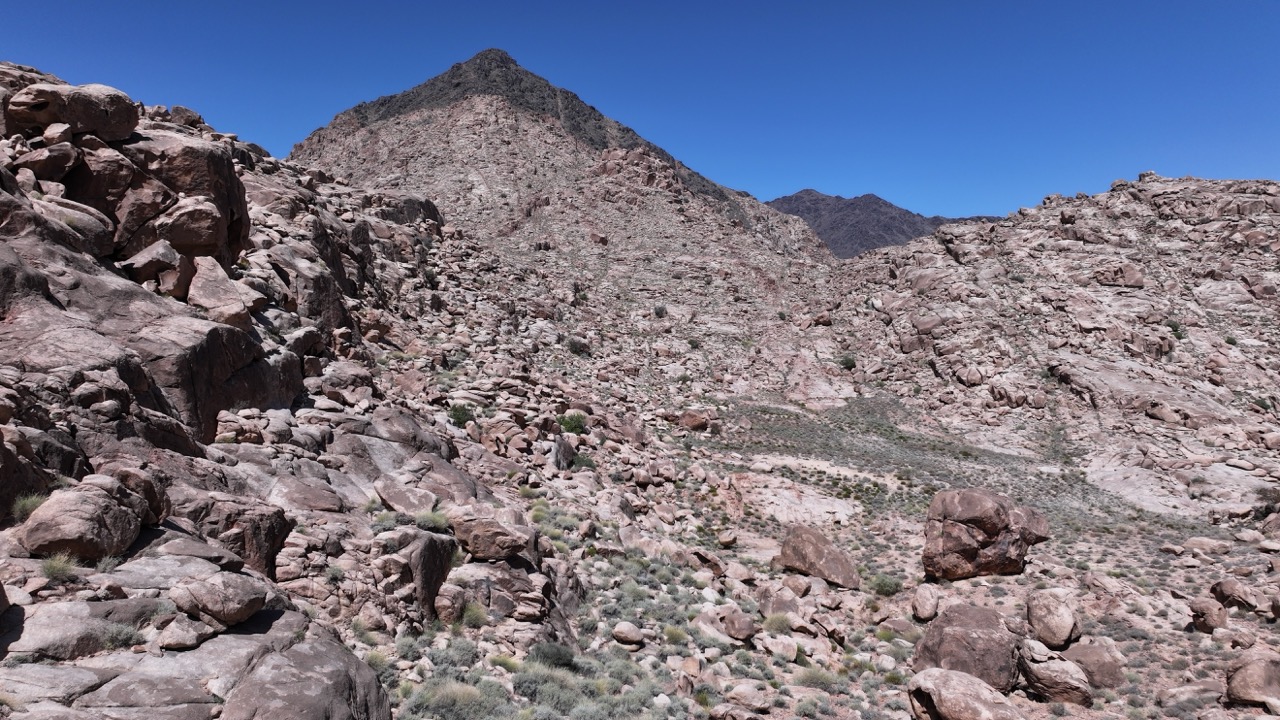
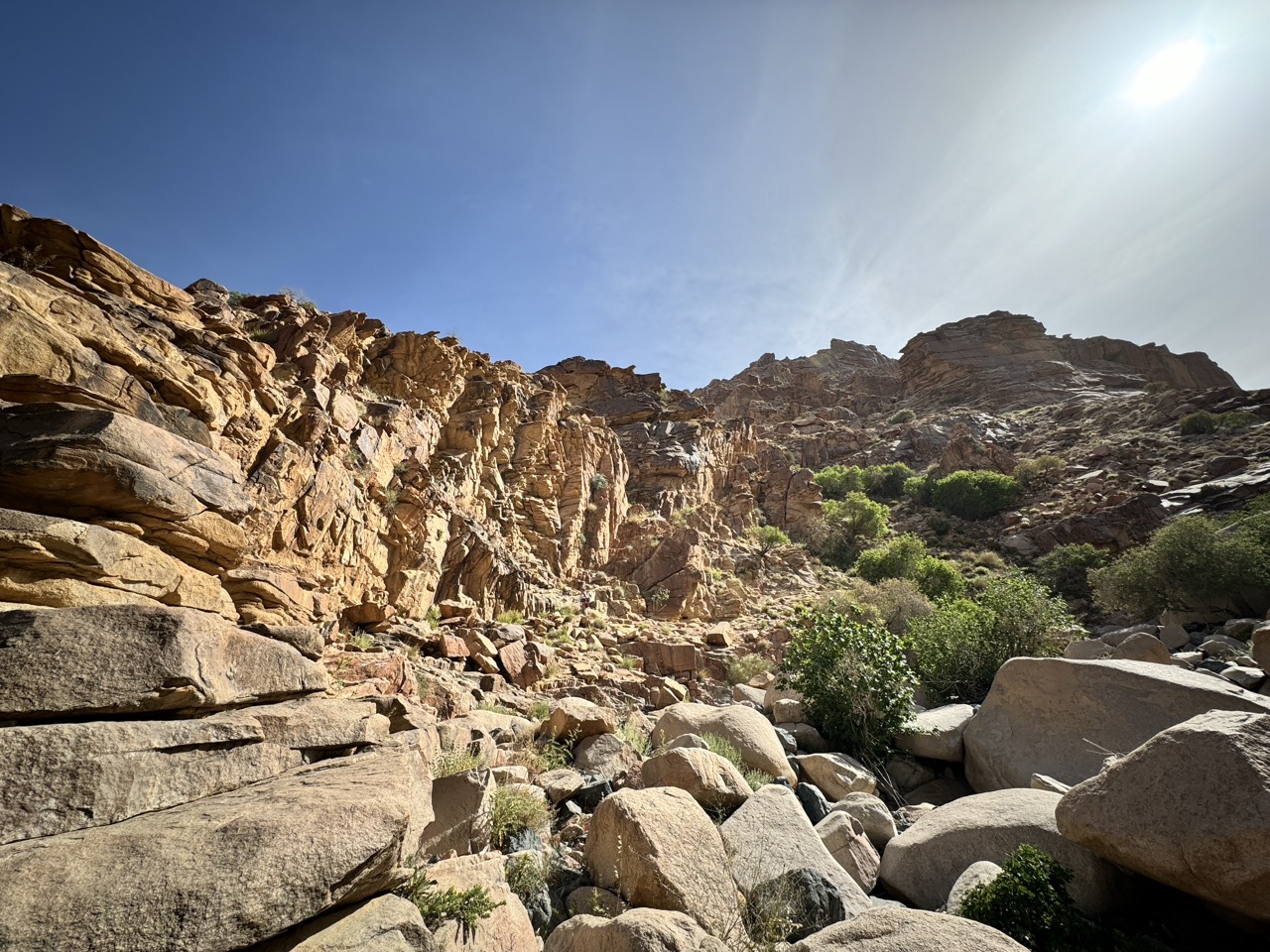
During the climb, it is clear that it is pretty tough. It is scrambling over rocks and boulders; there is no path at all. And Moses didn't have to go down the same day, but we do. That does fit exactly with what Philo wrote about this, see Day 21 on April 25.
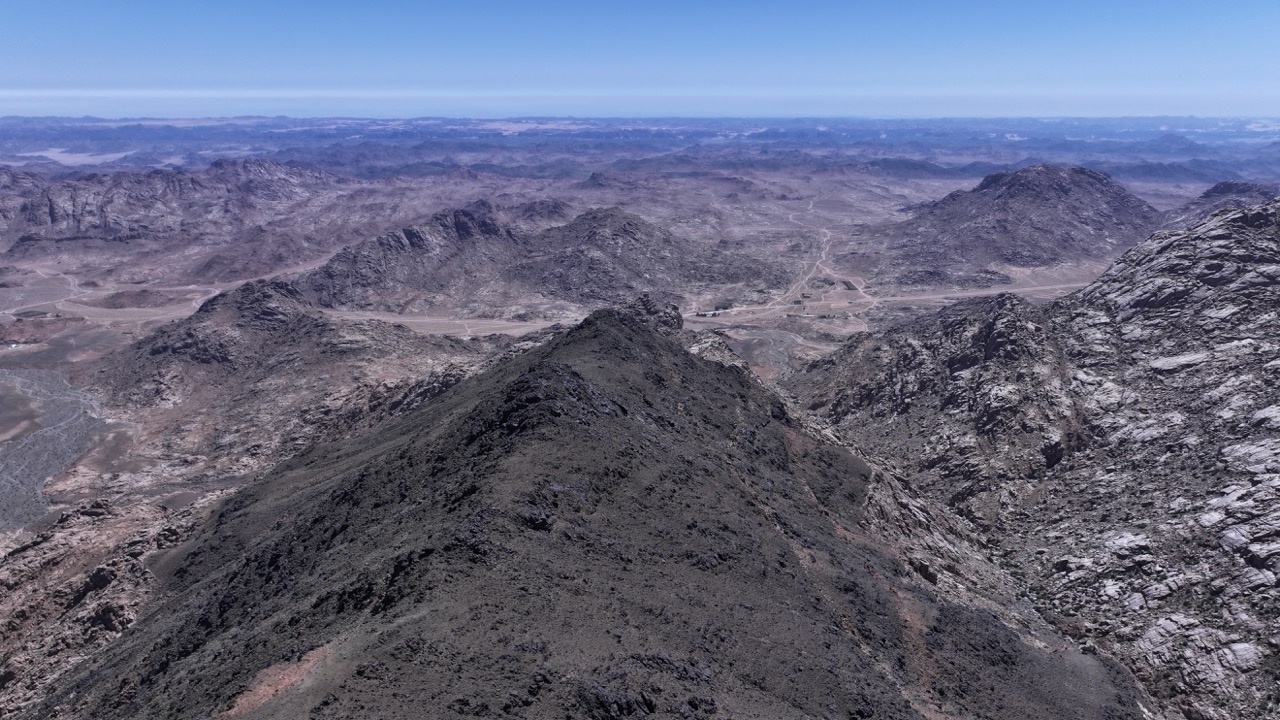
After more than 2.5 hours we reach a passage at more than one-third of the height, with the most difficult part behind us, and we suddenly see a large plateau, with lots of greenery, and the mountain peak a lot closer. This plateau matches the description in Exodus 24:9, 14 where a group of 70 elders went up with Mozes but were told to wait along the way while only Moses continued on.
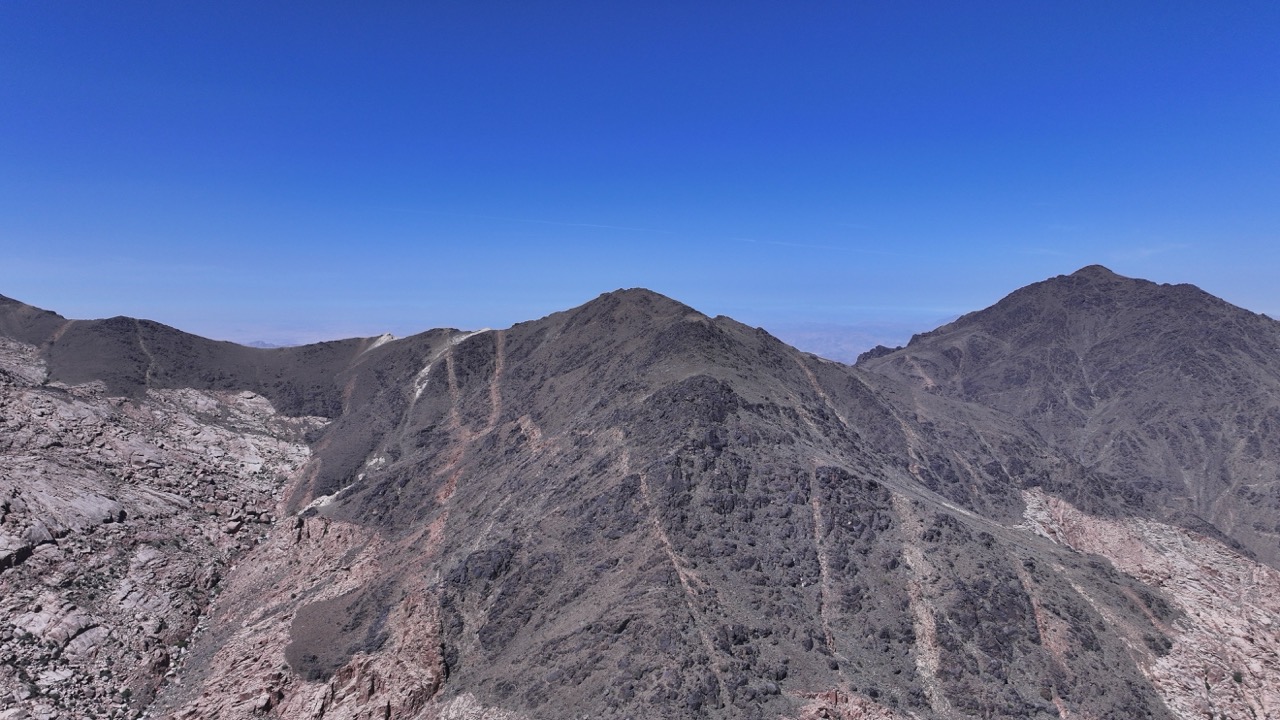
The climb further to the visible summit, with two more peaks behind it as well, has fewer obstacles, but we decide not to do that but to go back via a detour that takes us through the section where there is more variety in the landscape because that is where the water flows down from the mountain. This would be the same water that flows through to near the golden calf altar we saw yesterday where the ashes of the burnt and pulverized image were sprinkled and the Israelites were instructed to drink from it, according to Exodus 32:20.
In addition to the water, we also see here a path, partially collapsed, which with pieces of marble apparently indicates that this is the way from the small marble quarry to where we saw the marble pieces yesterday in the form of pillars or columns.
What is our conclusion? It seems that all the "ingredients" for the complete "recipe" are present here, all the details from the Bible can be seen here, without anything missing or that any part of the account of the Bible could not possibly have taken place here.
In total with this detour we spent nine hours climbing.
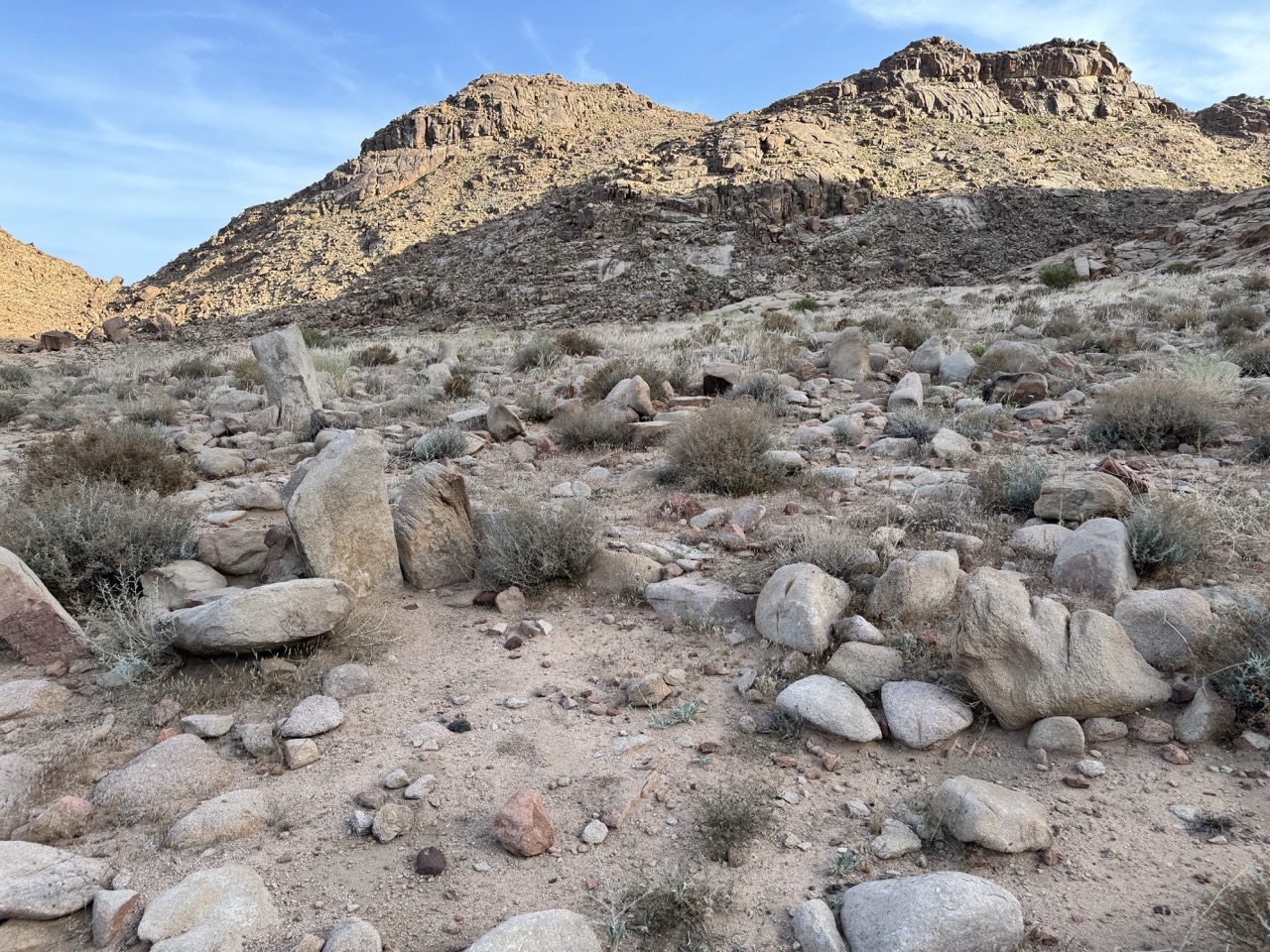
We now go to another place a few kilometers away where a large area has a fence around it and is designated as a cemetery. There appear to be two such sites close together.
The locals say: in the grave yard on the right are buried the Muslims, on the left is for the "Yahud", that is where the Jews are buried. Well this is the largest area there is in this whole area, and there are no Jews living in Saudi Arabia. So how did they end up here? It is reminiscent of the account in Exodus 32:28 where 3000 men died, and of course had to be buried somewhere.
What is different than expected is how much "civilization" has penetrated these areas. New asphalt roads instead of having to drive for hours through the middle of the desert or wilderness, and only the last hour and miles through dirt roads with a lot of bumps and holes to reach our goals.
Videos:
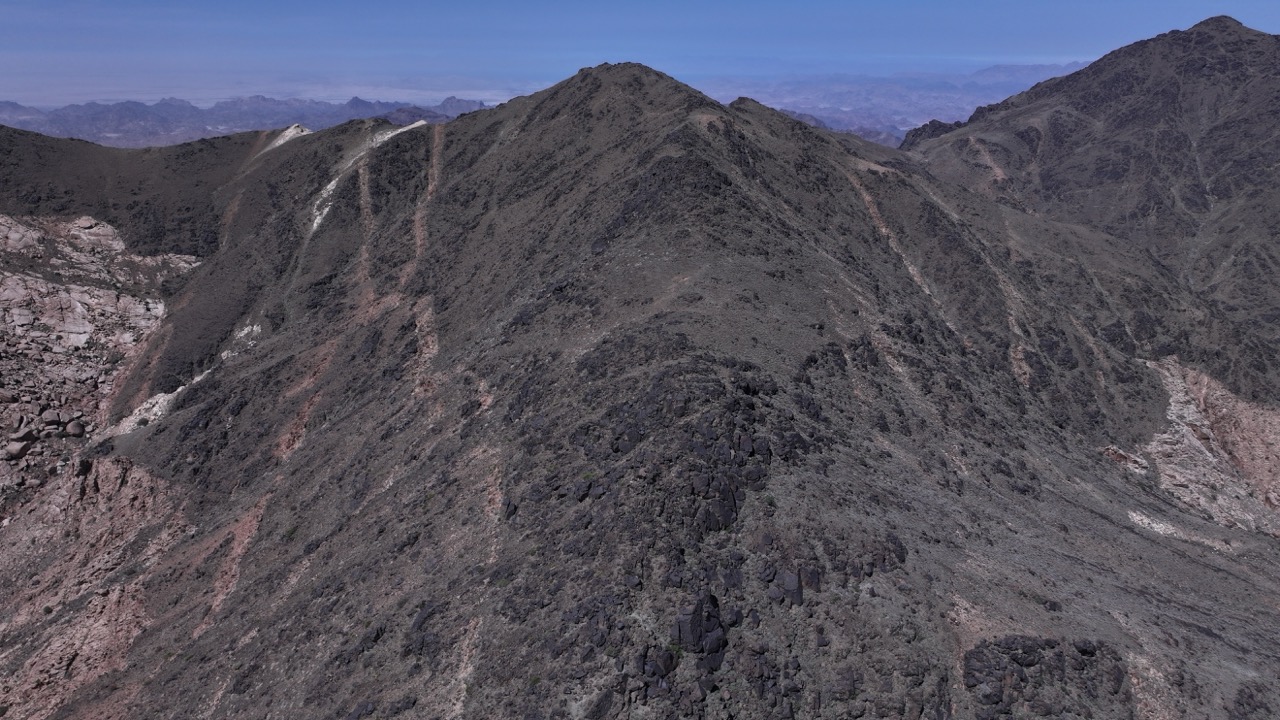
(1) View halfway up, to the camp below and the mountaintop above. (2) The plateau which is plenty big enough for the 70 elders there to wait for Moses. (3) The most visible top with two more behind it, and to its right the fourth summit of this mountain range. (4) Looking from the third summit 360 degrees all around, also looking back to the first summit with the large camping plain in the background. (5) A small part of the path from the marble quarry further down the mountain, with pieces of marble as an indication, is still open and we crossed it on our way down. (6) Water flowing down from higher up the mountain to the lowlands. Hence also more greenery in these places.
Photos:
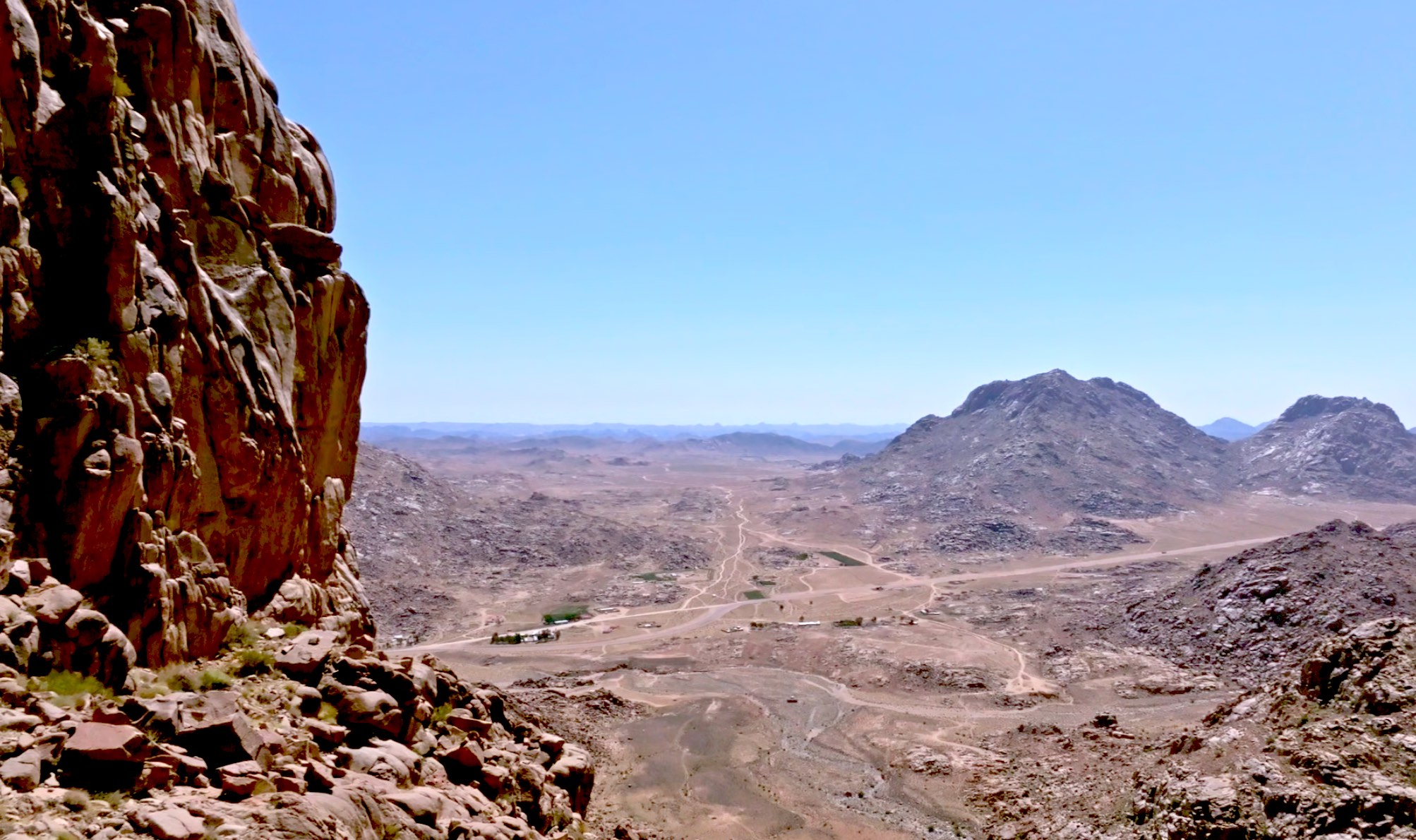
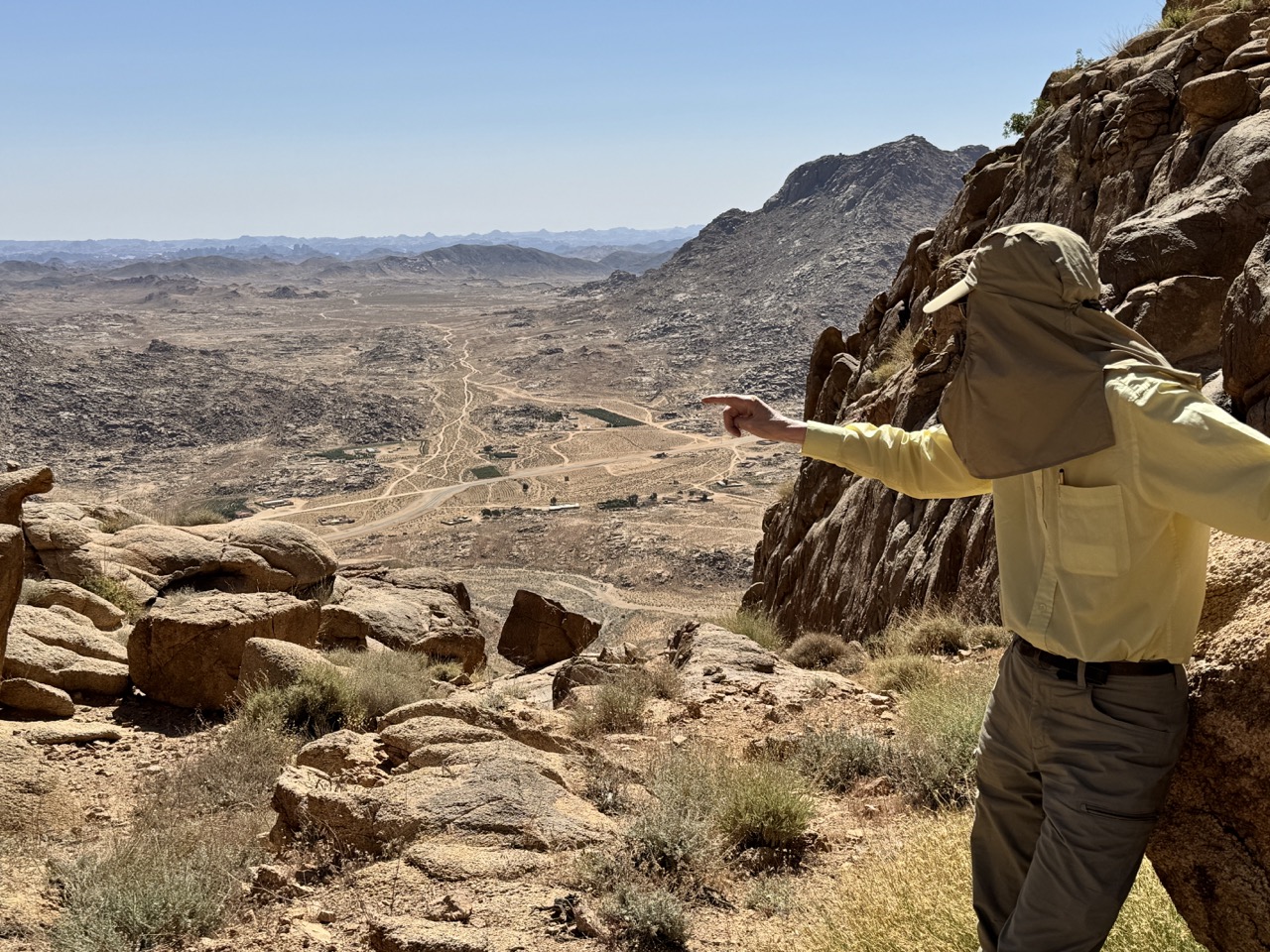
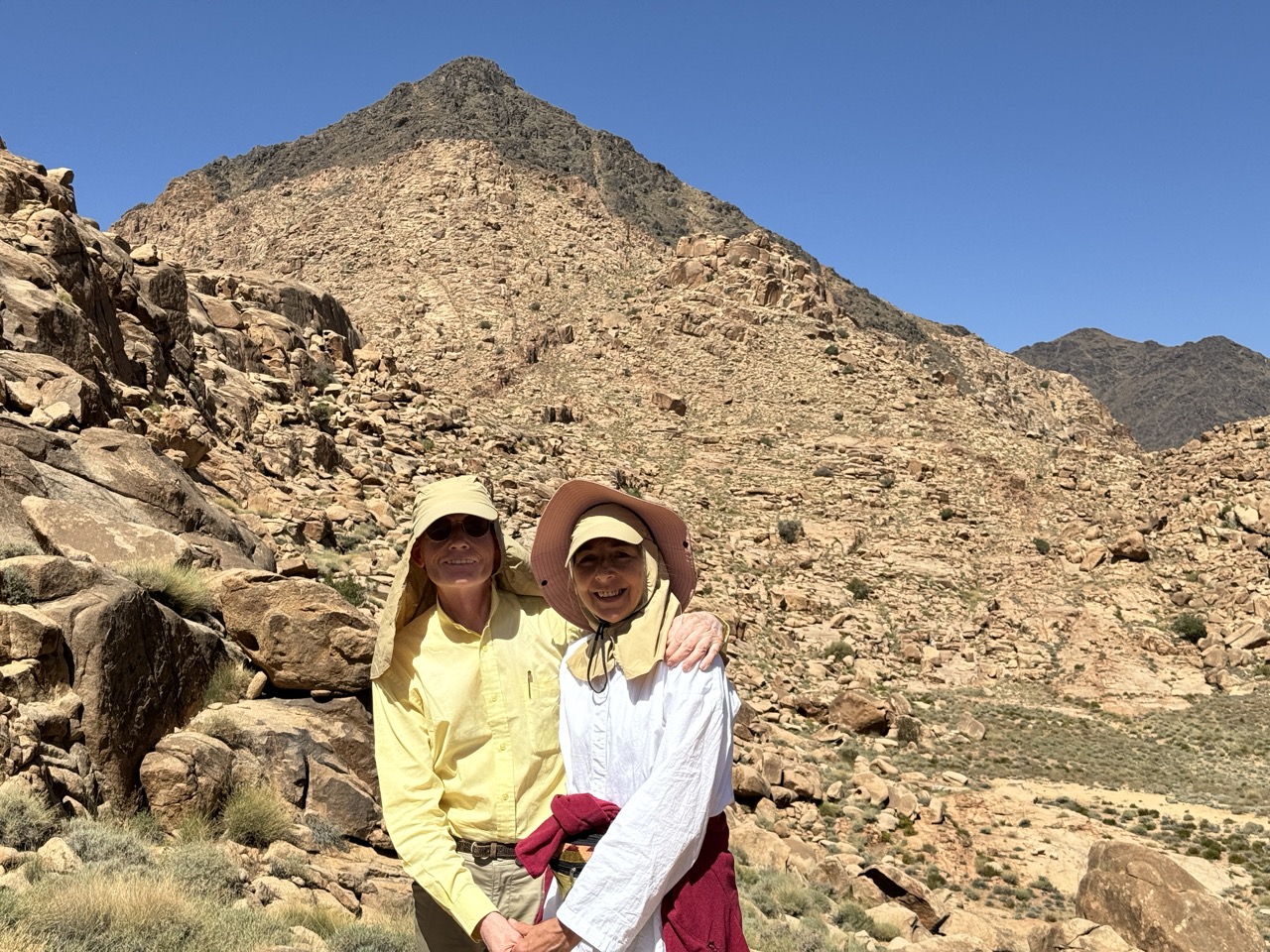
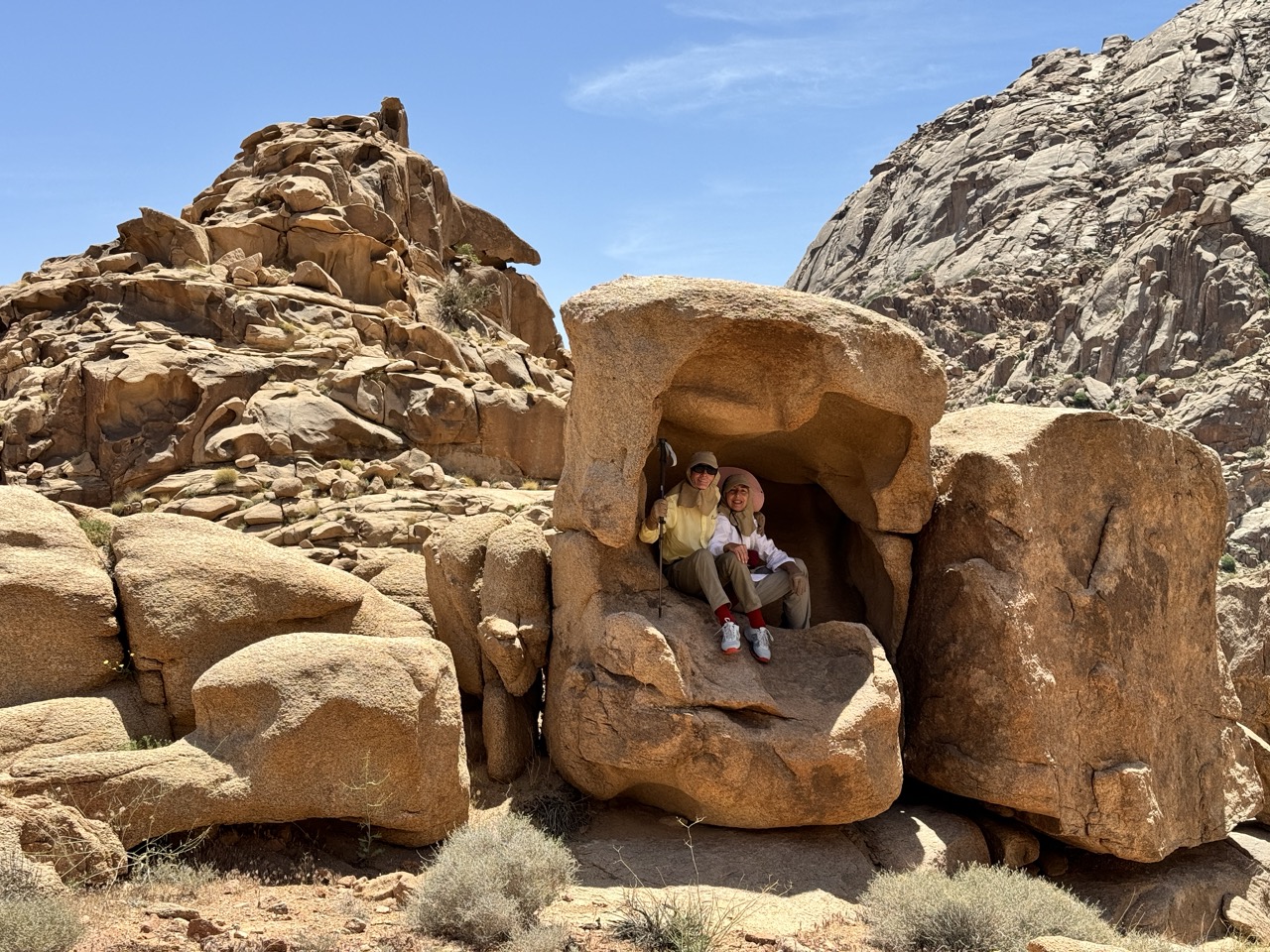
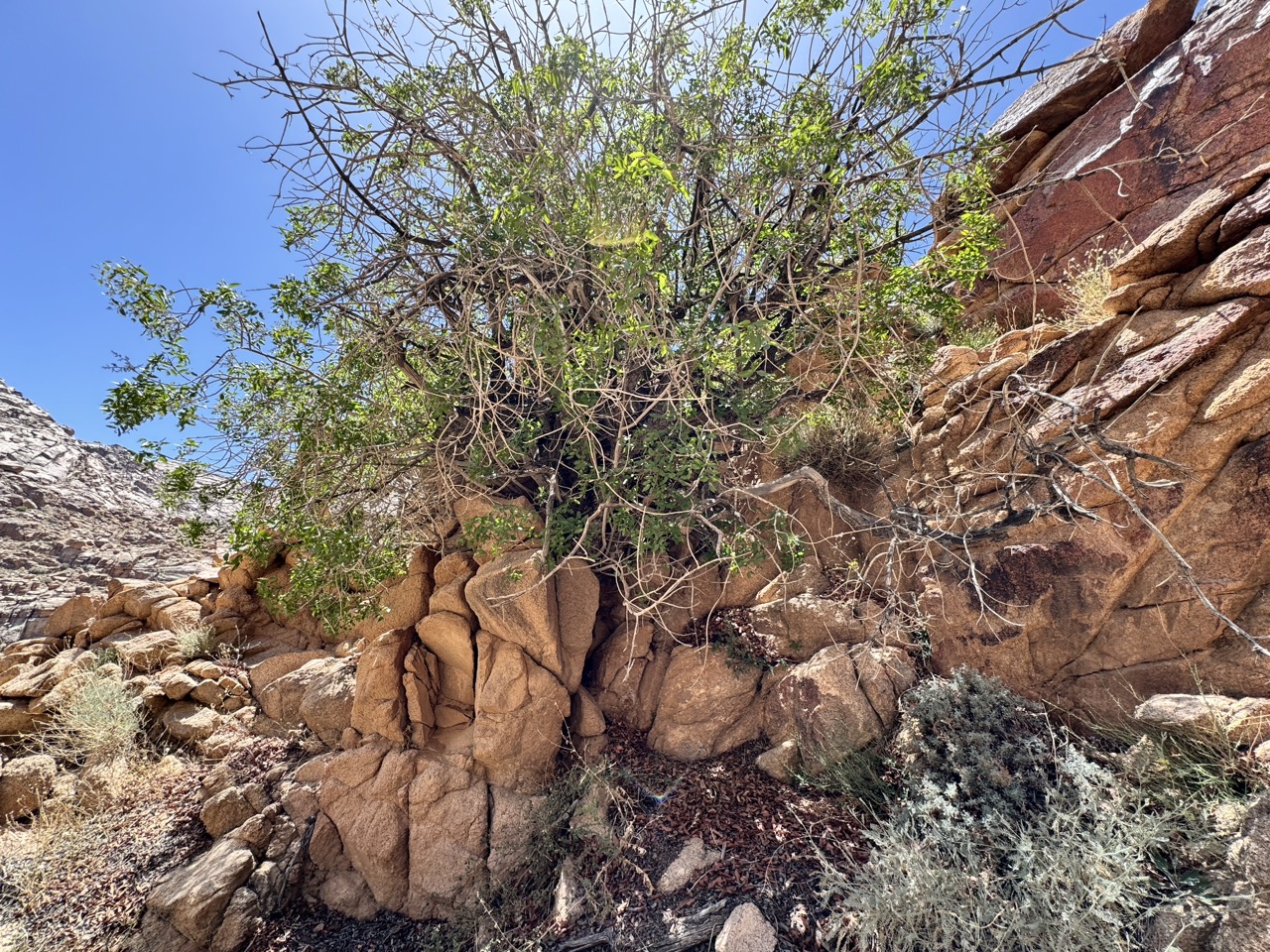
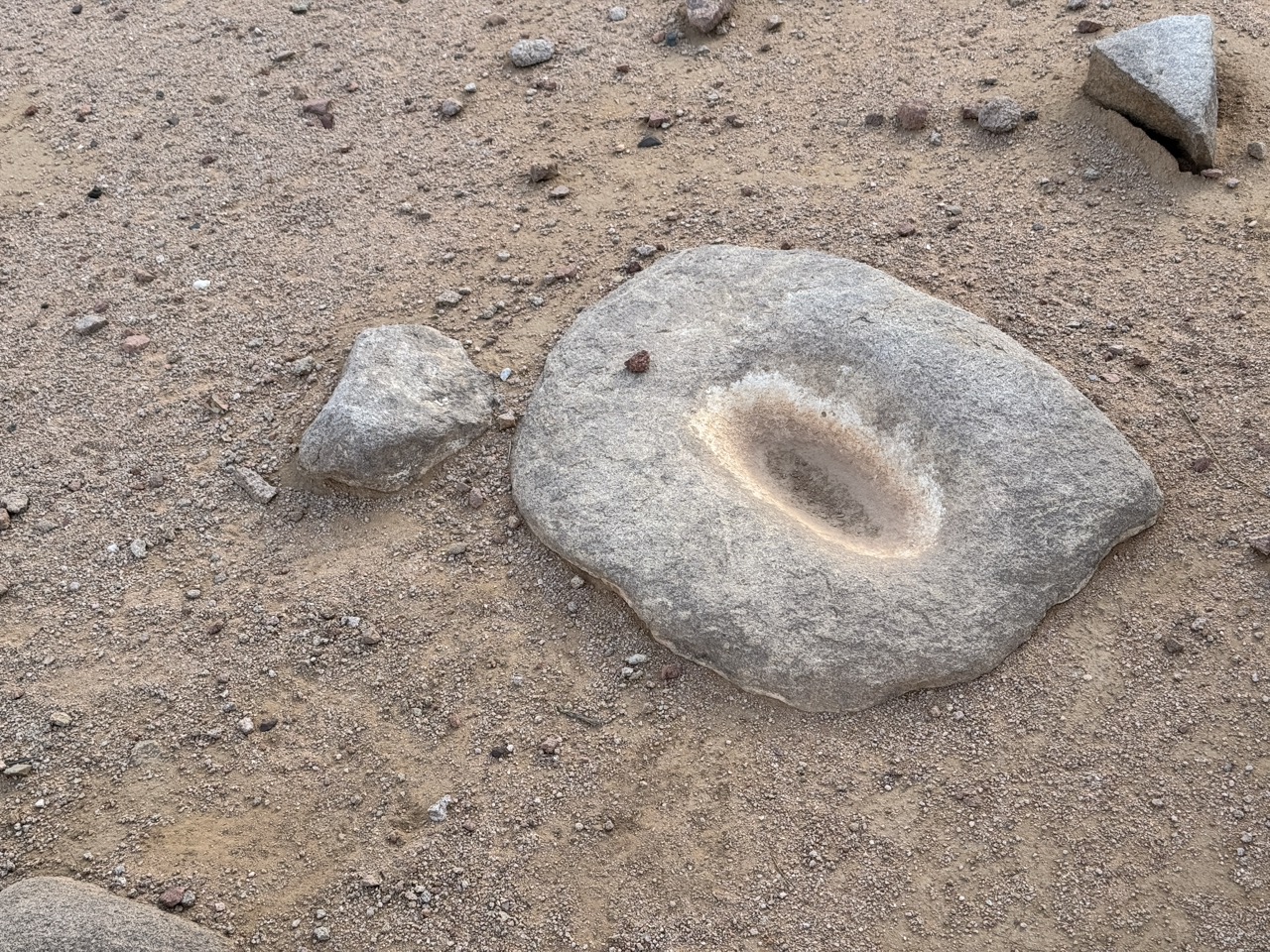
(1) Overview of the large plain with enough space for all the people of Israel to camp. (2) Ron points out what some call the golden calf altar in the distance, just between Ron's finger and the tip of that small rectangular green piece of land. (3-4) You can see that this is not an easy climb, it is scrambling and not just walking up. (5) Ron & Karin in front of the mountain peak, with the plain or plateau to the right where the 70 elders may have been waiting. (6) Front mountaintop and the plateau. (7) Three mountaintops in a row and the fourth on the right. (8) Same, but a little closer. (9) Looking back from the rear summit to the first and the plain beyond. (10) A very different viewpoint, now you see the three summits from left to right. (11) On the way down a nice spot in the shade. (12) This is a small terebinth or turpentine tree. The original Hebrew word in 2 Samuel 18:9, where Absalom's hair got tangled in such a tree, can be translated "Terebinth [tree]" but also large tree in general. (13) Climbing for hours over such boulders as in the foreground, and sometimes much larger, is what we did. (14) This is a piece of what has been referred to us as a large cemetery for the "Yahud" or Jews. (15) This kind of stone was used by women in the household, showing that this burial ground was not just for soldiers after a battle, for example.