Day 14 - Thursday, April 18 - Saudi Arabia Midian
Today is our first day through Saudi Arabia, and crossing these border crossings, like Jordan, Saudi Arabia, and soon Egypt, takes quite a bit of time.
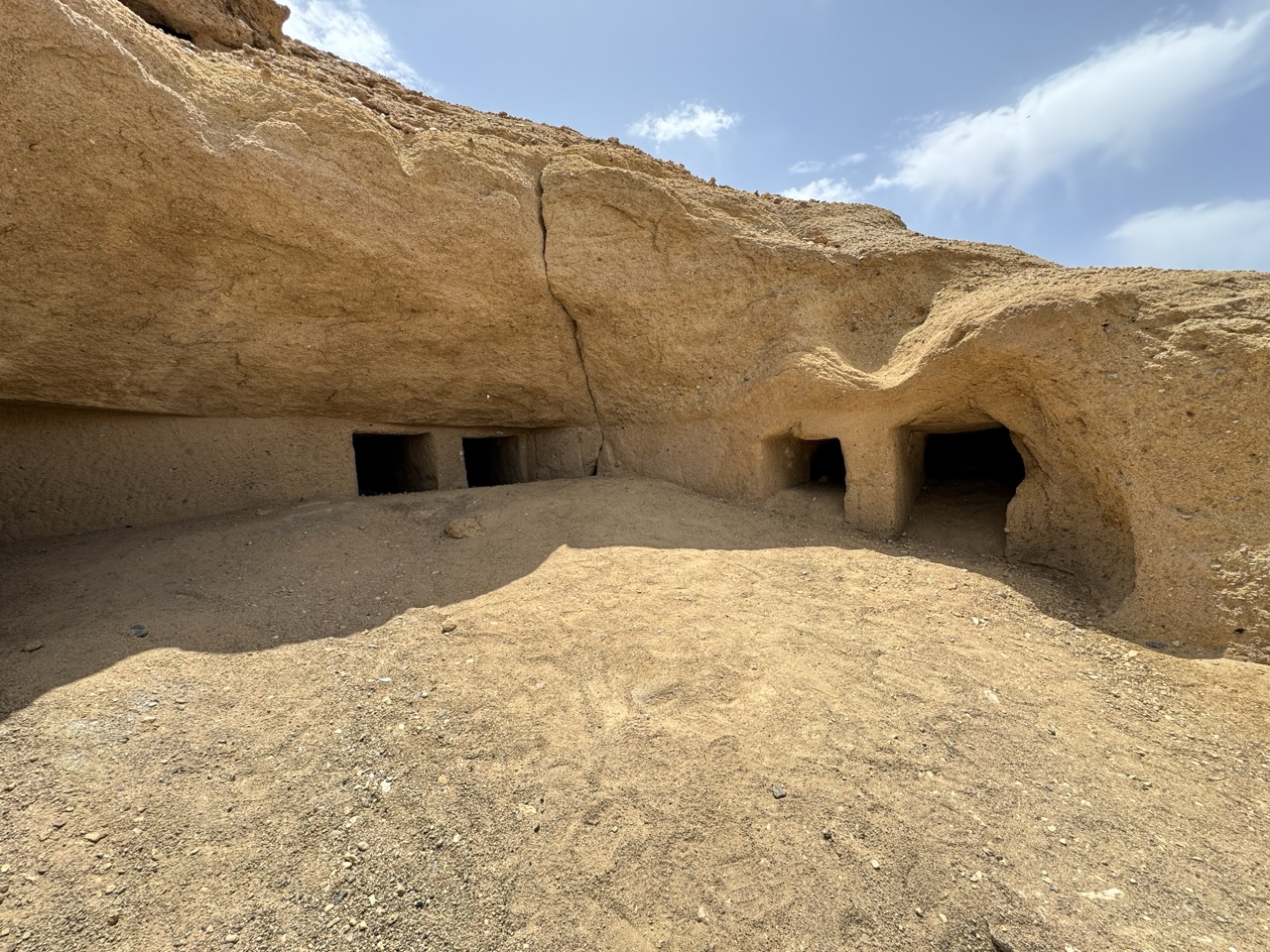
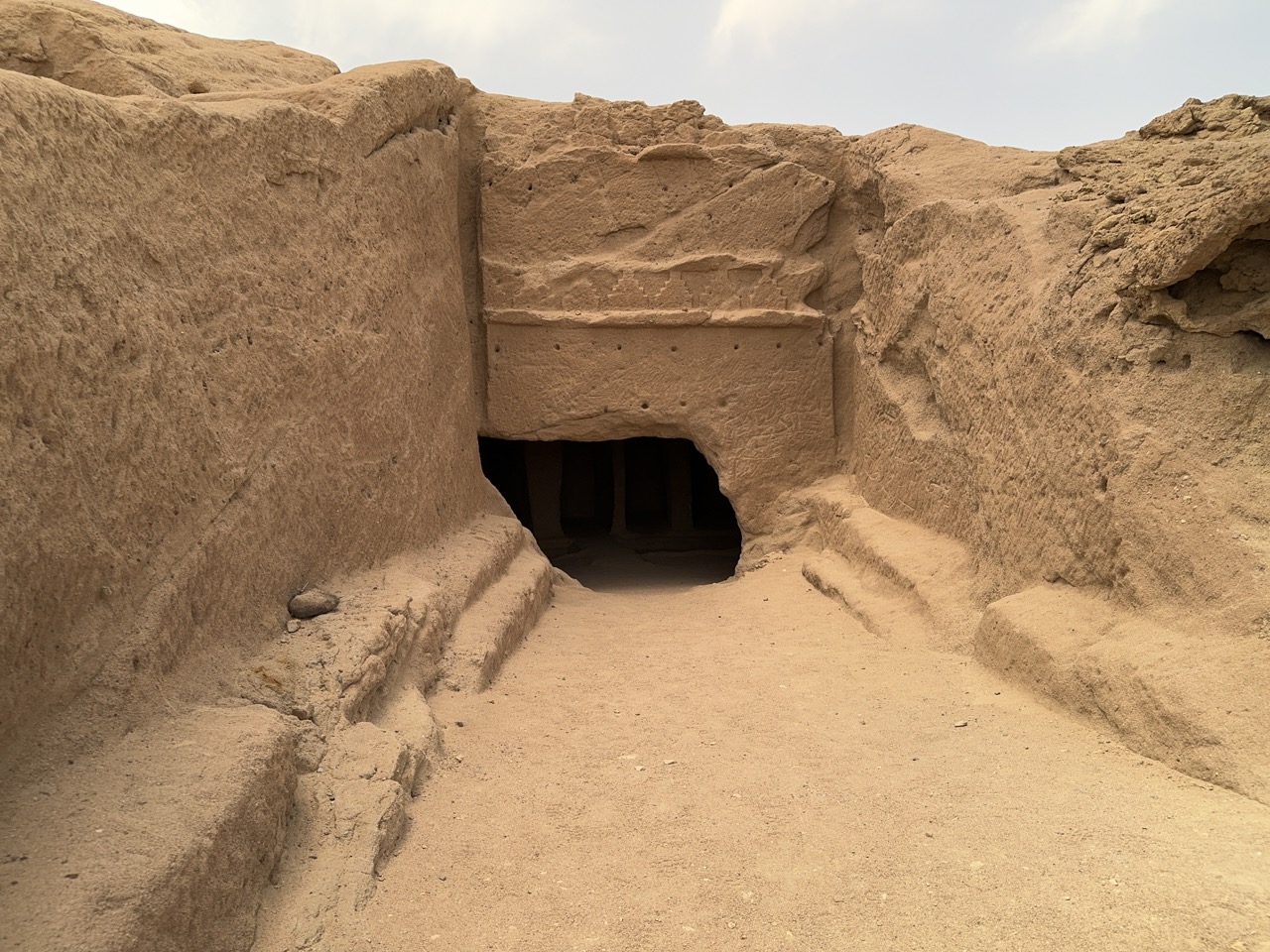
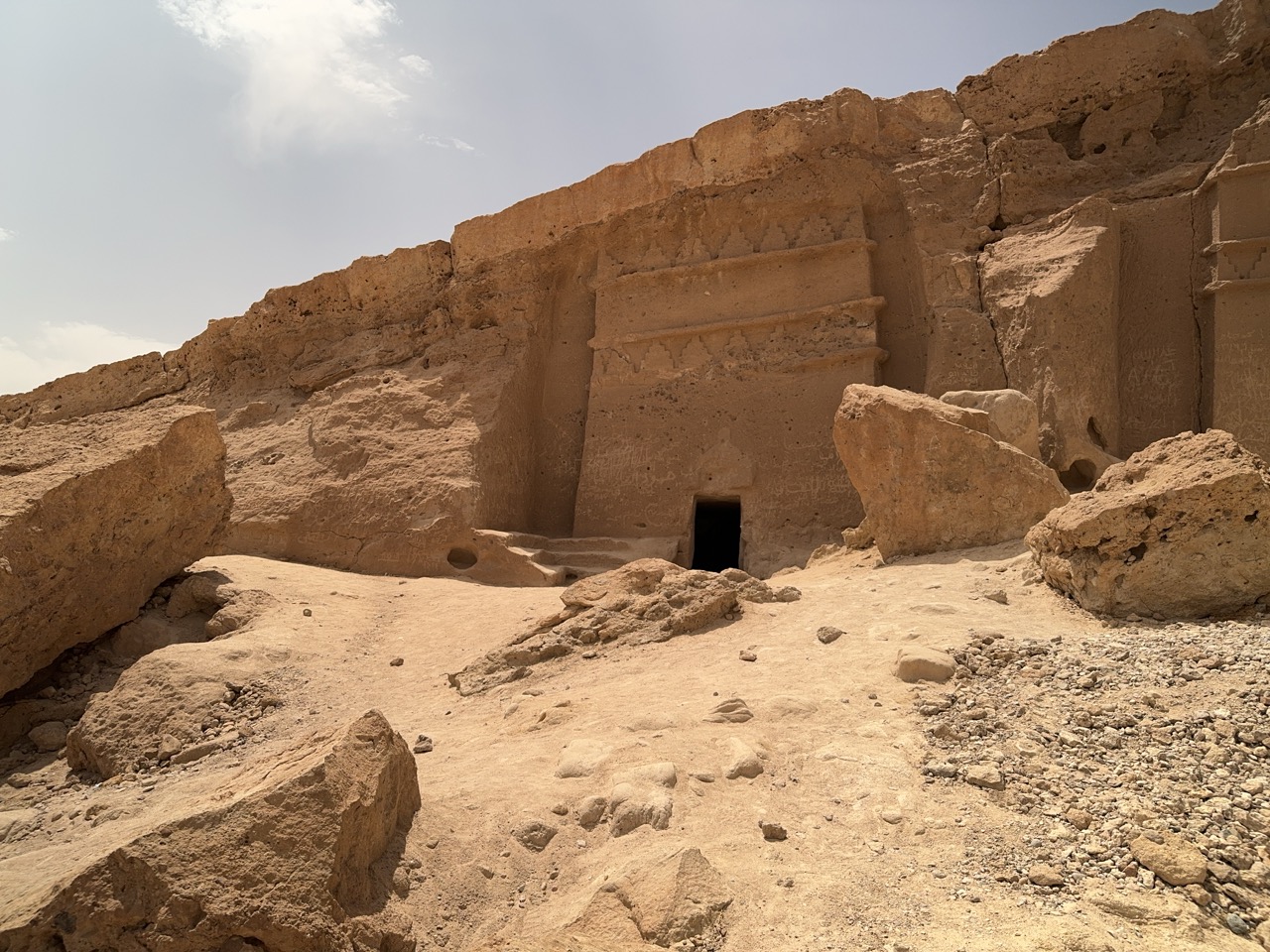
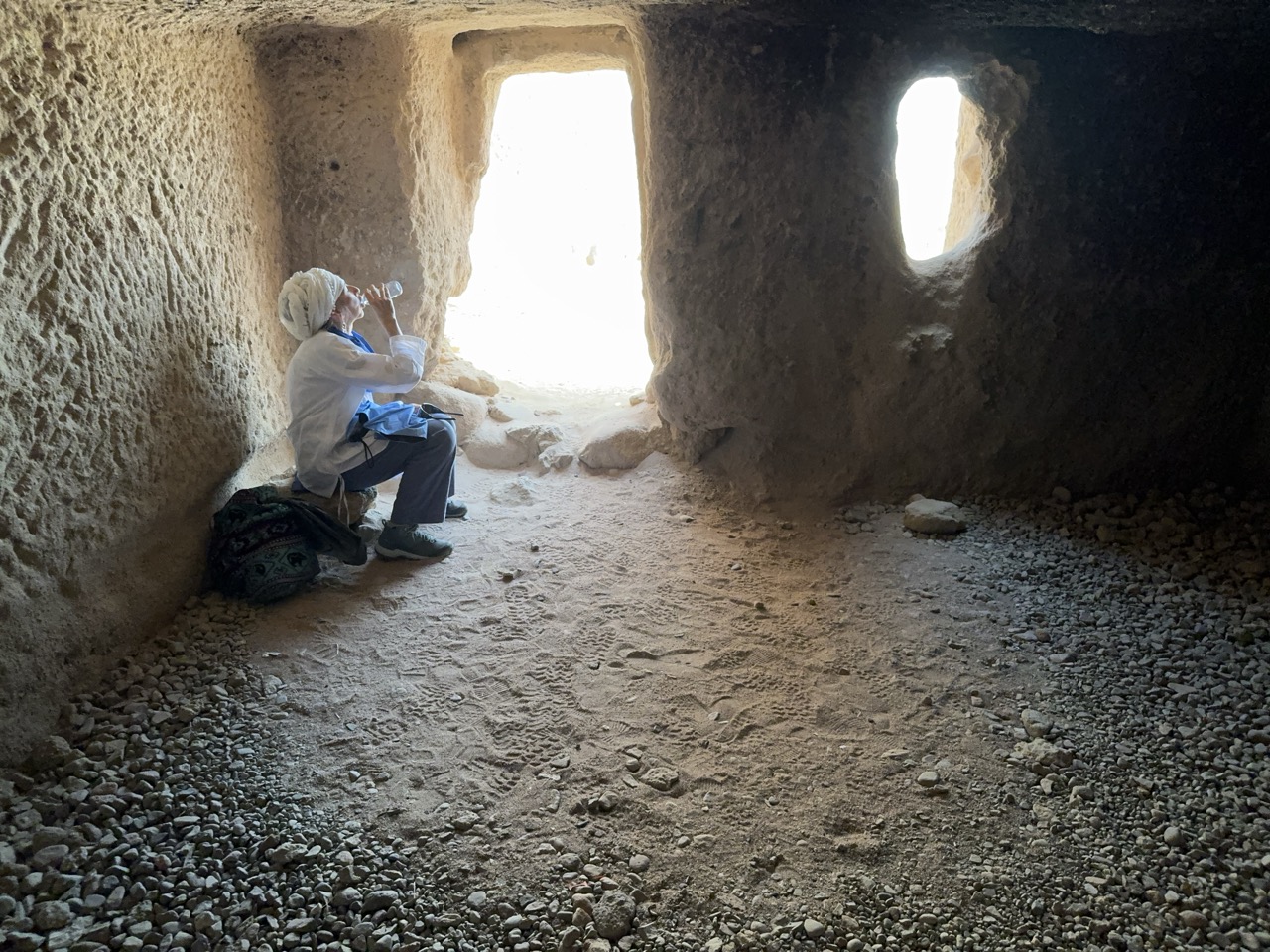
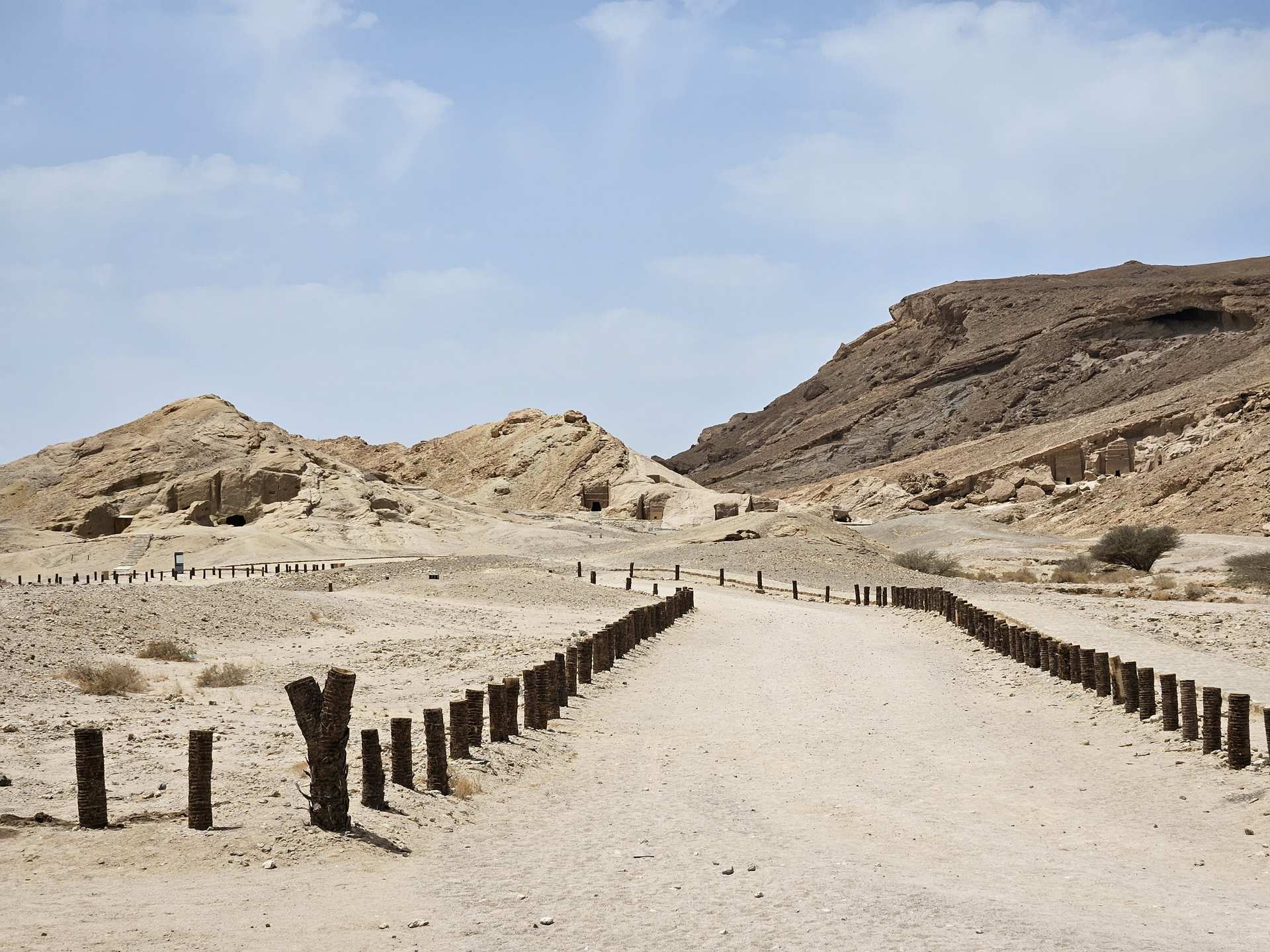
This afternoon we first went to caves which locals call the caves of Rehuel, which is another name for Jethro, the father-in-law of Moses. According to the museum, part of it was later used as a cemetery, but before that for habitation, of course less nicely decorated on the outside as now.
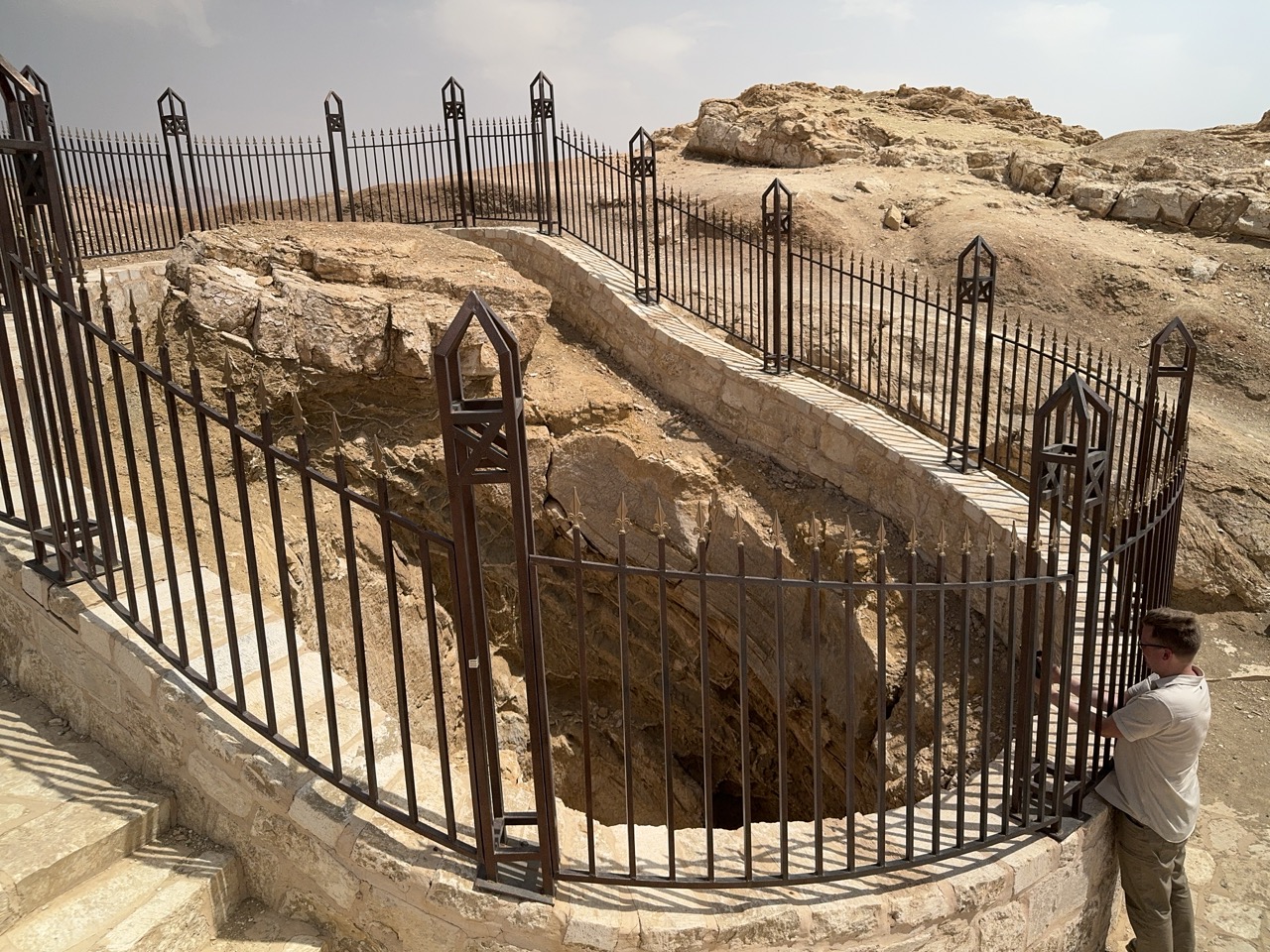
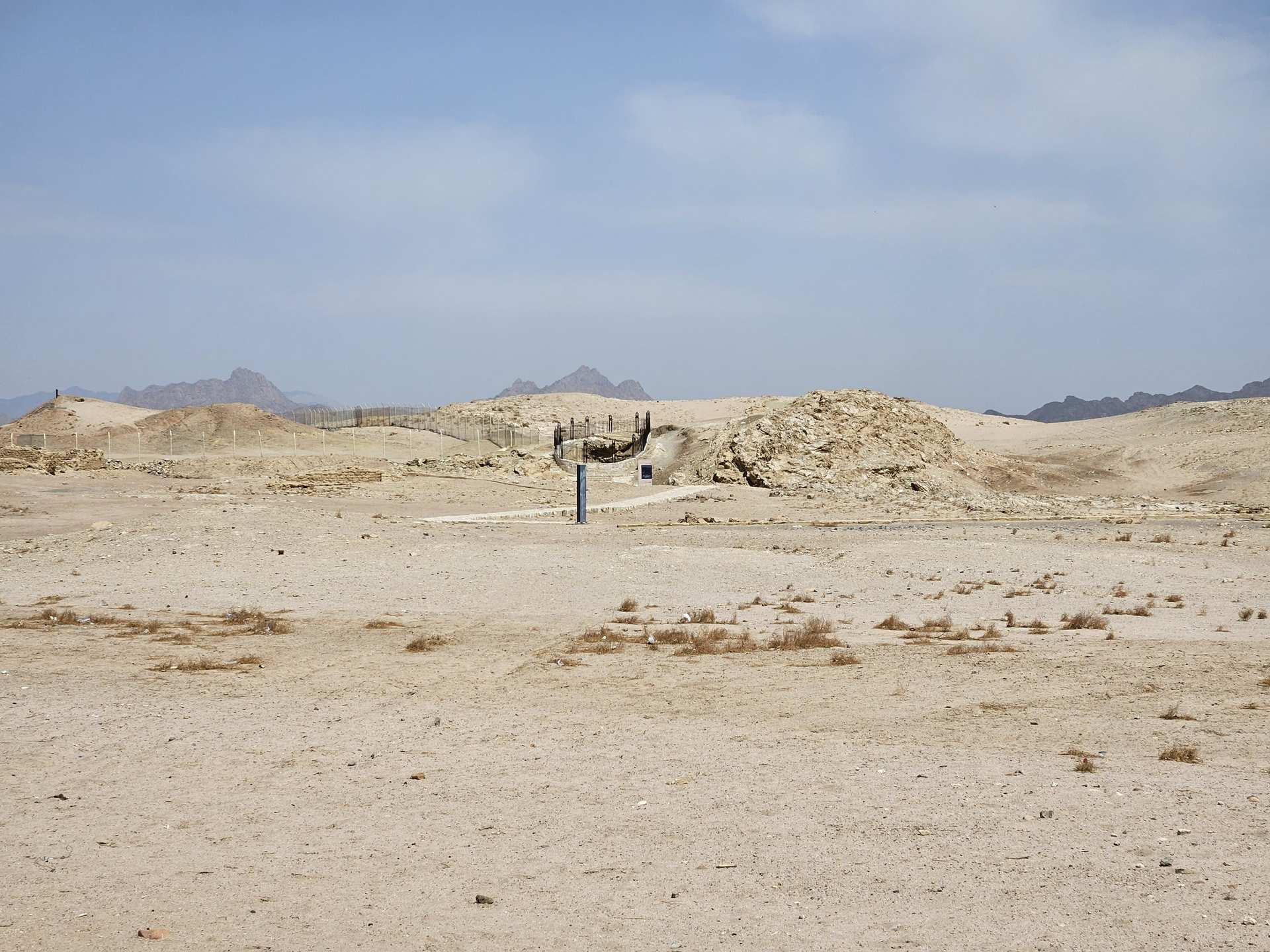
Which reason is there to believe Jethro lived not in tents, but in caves? The Jewish historian Josephus writes about Jethro living in "the country of the Troglodytes" which is another word for "cave dwellers" (Antiquities of the Jews, Book II, Chapter 11, par. 2). Also not too far away is a well, called Moses' well by the locals. Of course, there used to be no fence around it.
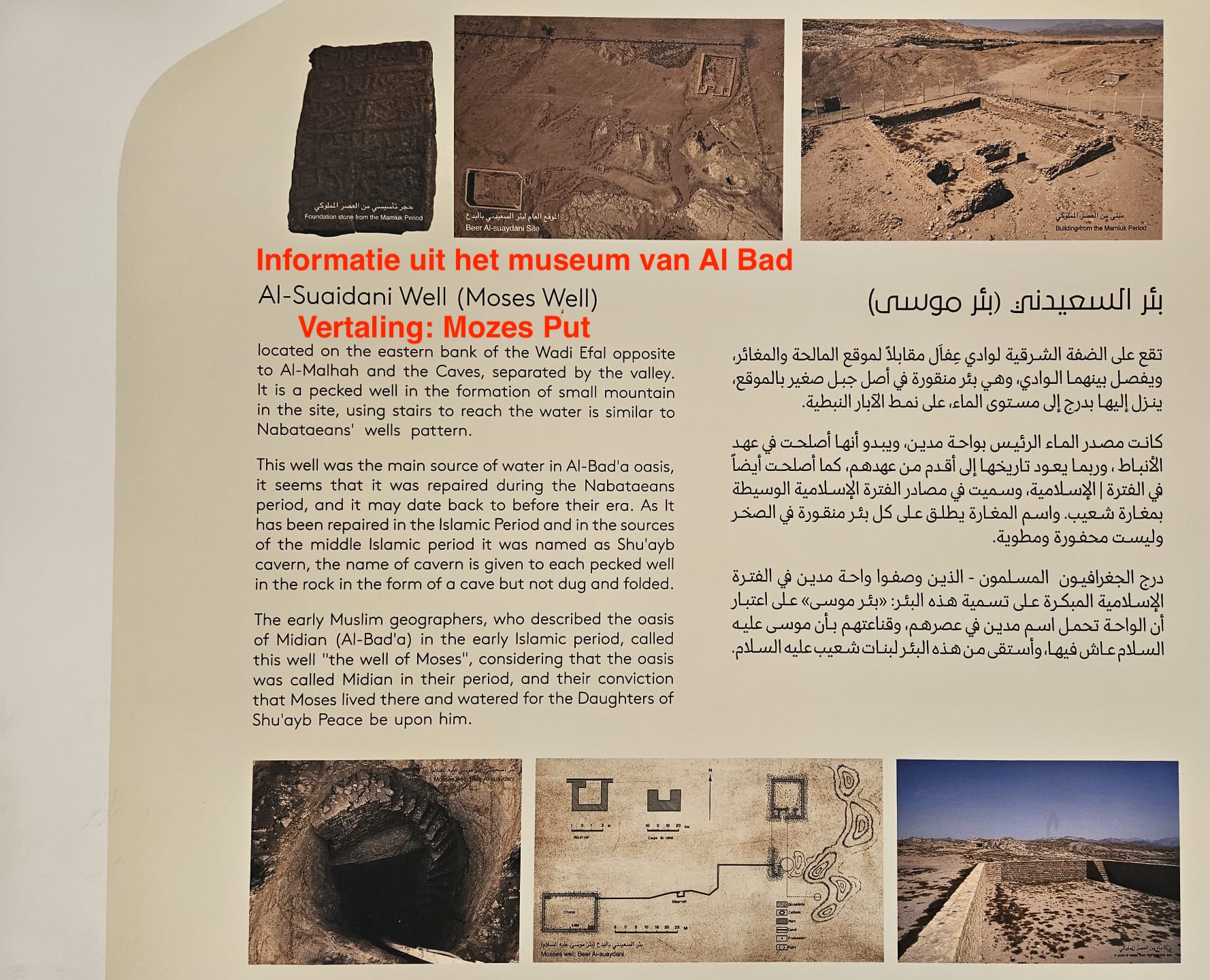
In the museum, we read the following:
"The early Muslim geographers called this well "the well of Moses", considering that the oasis was called Midian in their period, and their conviction that Moses lived there and watered for the Daughters of Shu'ayb [Jethro]."
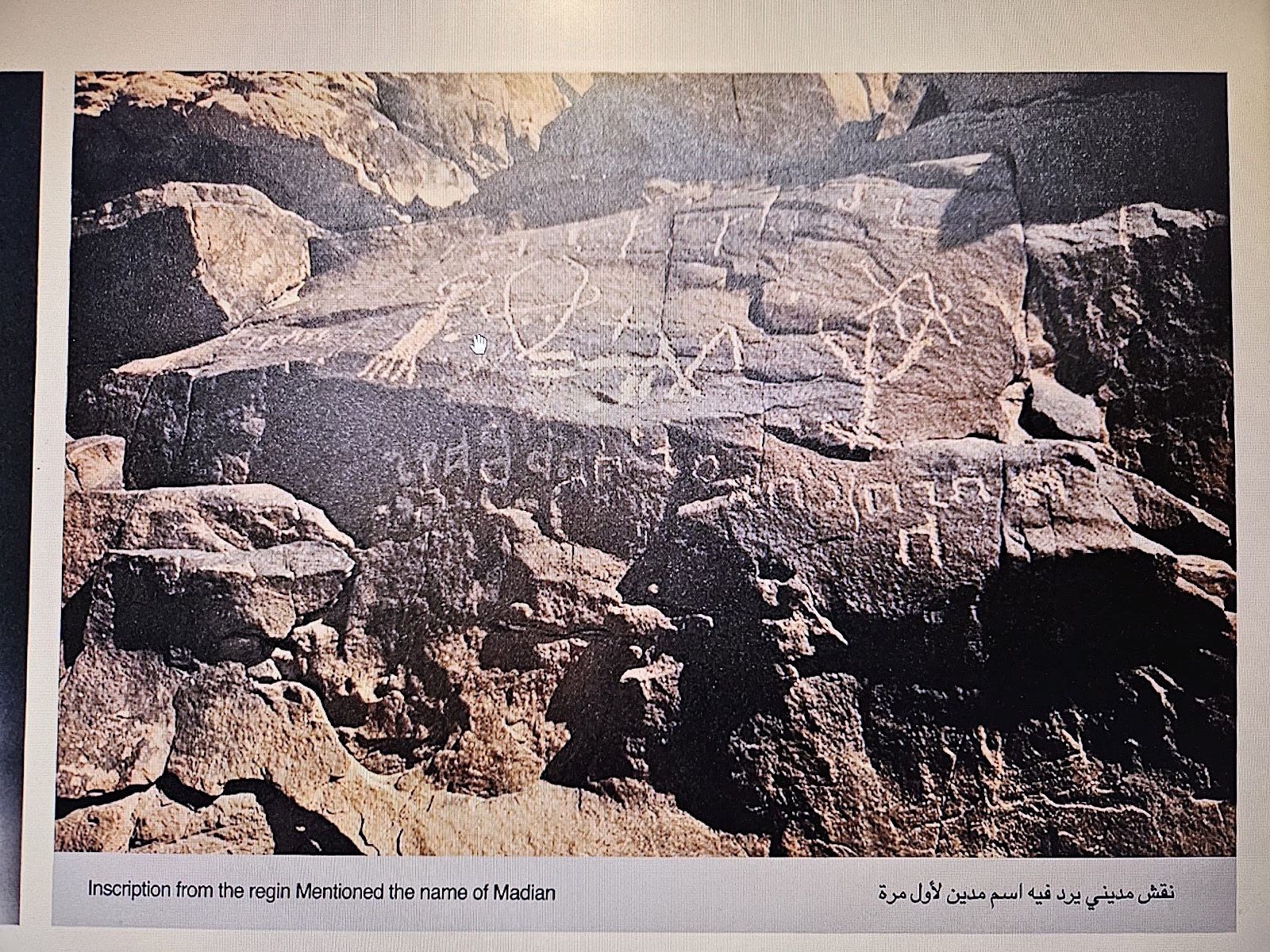
The museum also writes that what is now called nearby Al Bad'a used to be called Midian, or also Midian Kingdom, and shows a picture of an ancient inscription from this region that has the name Madian or Midian on it.
It is good to observe the difference between Saudi Arabia and Israel when it comes to claims such as the above and what is to come in the coming days:
In Israel, everything is tourism-oriented, and tourists are told what they would like to hear, just as Queen Helena was told and pointed out what she wanted to hear and see. Much of it is unconfirmed to unreliable to even clearly impossible. But here in Saudi Arabia there have never been tourists, what you hear here is what the residents, from generation to generation, believe themselves with no agenda to please the tourists.
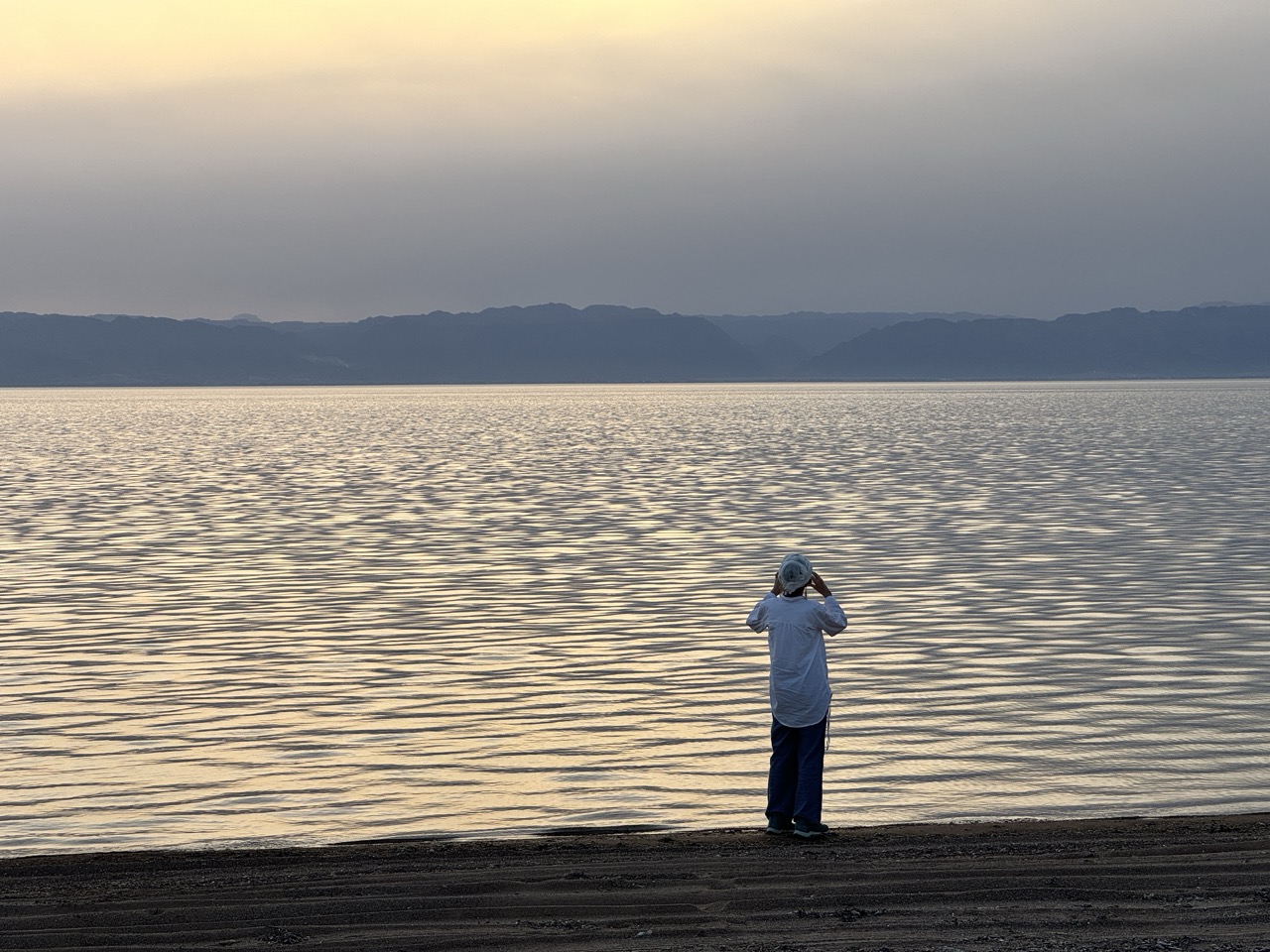
Then there was time to go to the point where there is evidence that the Israelites arrived here after crossing the Red Sea.
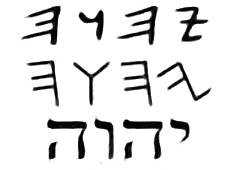
There was a memorial pillar here that unfortunately disappeared (thrown into the sea they say) in the time when Saudi Arabia was still off-limits to uninvited foreigners. But according to those who have seen it, among the words on it are: Pharaoh, Mizraim (Egypt), Moses, Death, Water, YHVH, Solomon, Edom, leading to the conclusion that this pillar was placed as a commemoration of the Exodus event, possibly by king Solomon.
On the other side, where the crossing is said to have begun, that pillar still stands, but (due to erosion?) nothing is readable.
Videos:
(1) Caves said to have once been inhabited by Rehuel or Jethro, Moses' father-in-law, and the well said to be the one where Jethro's daughters drew water. (2) Here the spot where the pillar stood and where the Israelites could have arrived after passing through the Red Sea. If you look closely, you can see at the end behind us the 'triangle' at the Egyptian side of this branch of the Red Sea where there is an opening in the mountains through which the Israelites could have passed with Pharaoh's army following.
Photos:
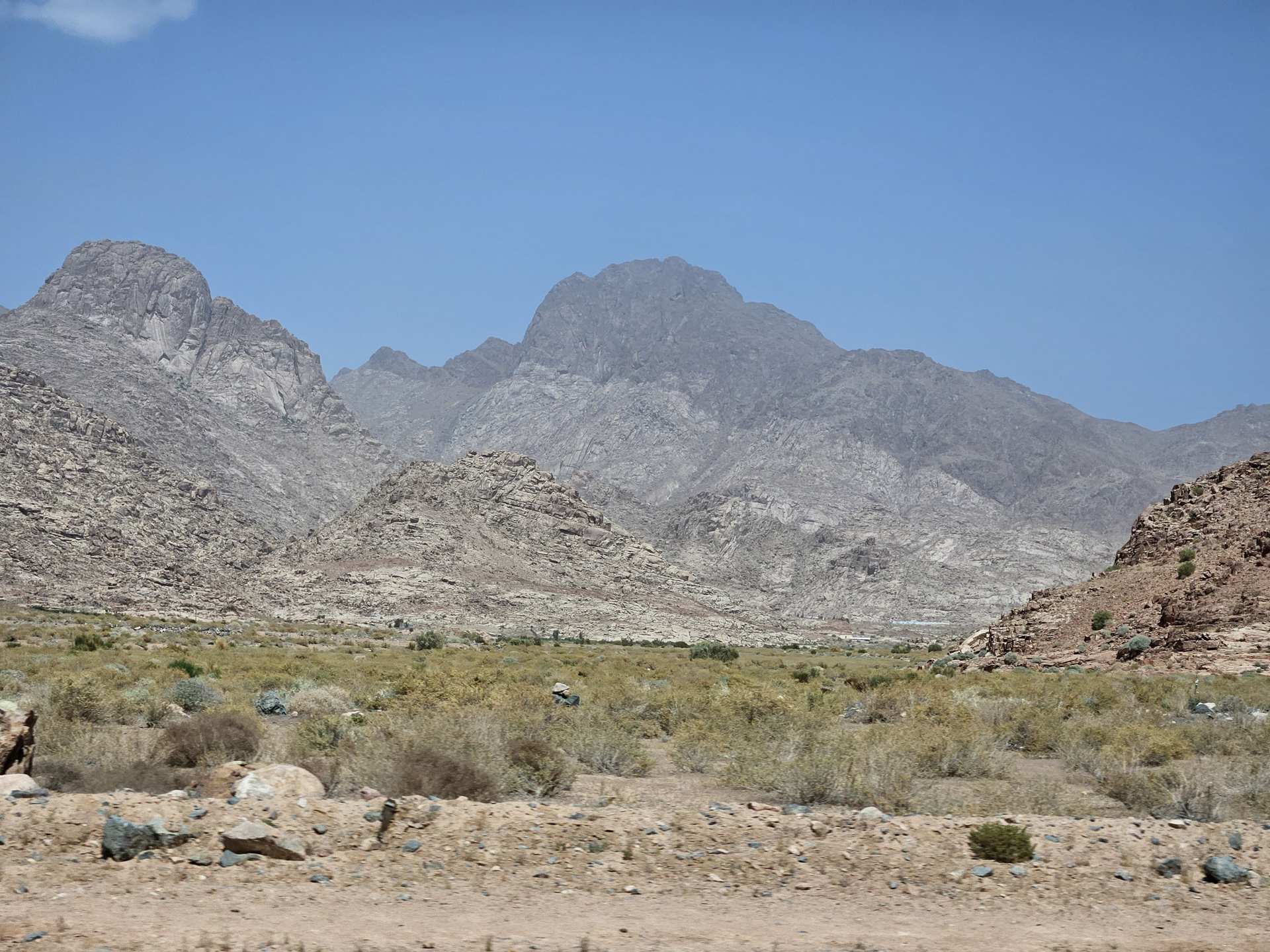
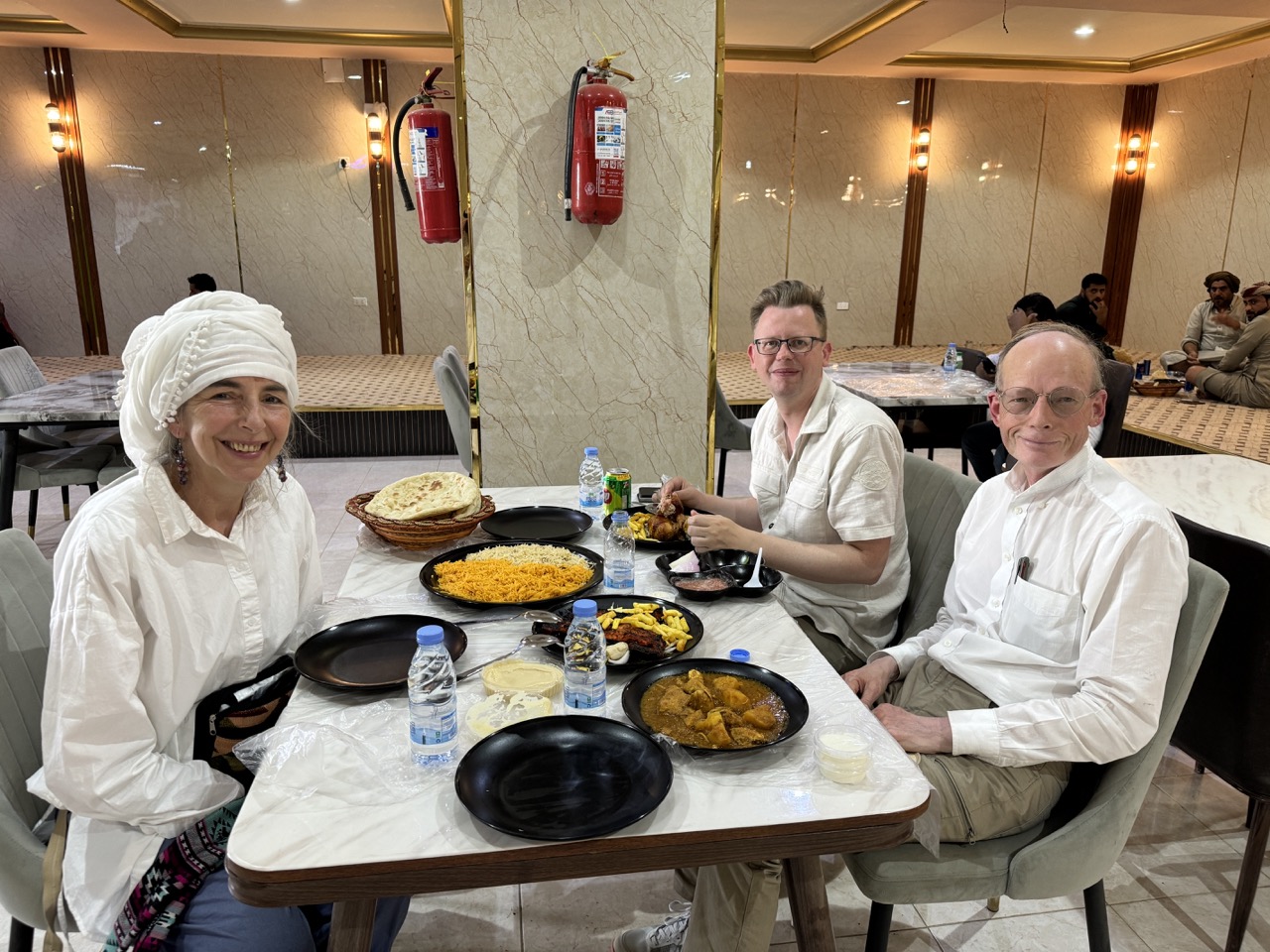
(1-4) Caves of possibly Jethro, (5) Around the caves very little vegetation for the sheep of Jethro, (6) Photo in the Al-Bad museum with inscription "Midian", (7) Text in the Al-Bad museum about 'the well of Moses', (8) Well of possibly Moses, (9) Also around the well you can see how little vegetation here is for the sheep of Jethro, (11) Lunch in an Arab restaurant with double the food we ordered, (12) Karin with right above her at the other side of this branch of the Red Sea (the Gulf of Aqaba) the cove in the mountains, so this is where the arrival of the crossing of the Exodus could have taken place.